HBC Mastercard | Financial Product Growth & Lifecycle
Credit card value shows up after approval: activation, repeat spend, and portfolio economics.
Lifecycle growth
+15%
application completion lift
Acquisition, activation, and retention initiatives across 500K+ cardholders and Neo Financial digital apply.
Selected partner, issuer, and portfolio details have been generalized.
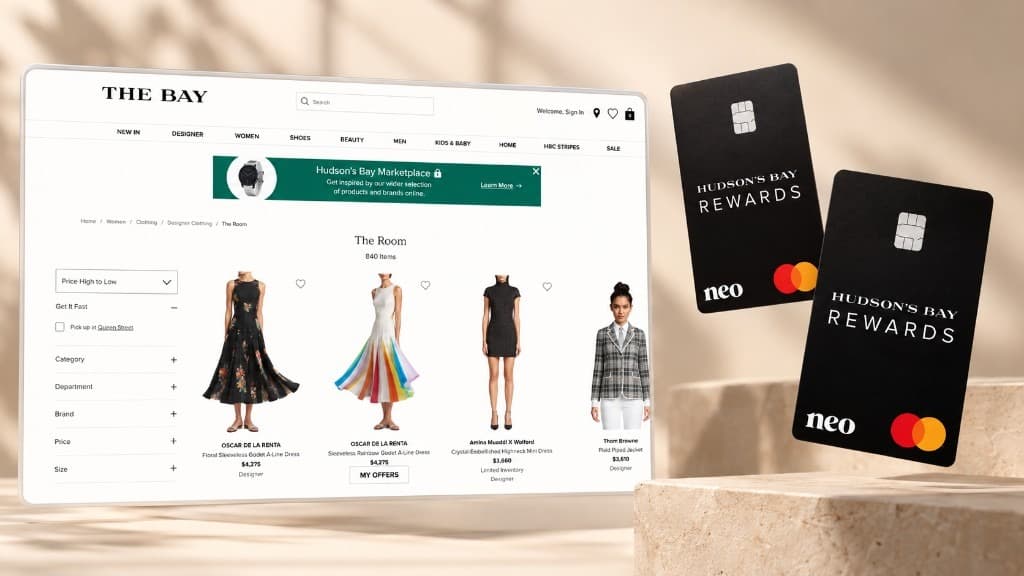
Overview
Hudson's Bay Company's Mastercard program had to win twice: first at application, then again in the wallet. An approved card that never activates does not help the portfolio.
From February to December 2022 I was Senior Product Manager, Growth & Financial Products. I worked across the HBC Mastercard digital experience with Neo Financial, post-approval activation, lifecycle incentives, engagement programs, and portfolio economics for more than 500,000 cardholders.
The problem
Credit card growth is often measured at the application. The business value shows up later: first spend, repeat use, and retention.
Several gaps showed up in the data: high abandonment in digital apply, a long gap between approval and first meaningful use, lifecycle incentives that were expensive without clear incremental return, and engagement programs that needed to reach mobile users at scale without one-off campaigns.
The product job was to connect acquisition, activation, and retention as one lifecycle, not three unrelated conversion rates.
One lifecycle, not three funnels
1
Apply
Neo co-branded digital journey
+15% completions
2
Approve
Credit decision in under 3 minutes
Less abandonment
3
Activate
First spend and wallet use
+8 pts at 30 days
4
Retain
Repeat spend and lifecycle incentives
+6 pts at 90 days
My role
I owned product strategy and execution across acquisition, activation, lifecycle programs, and portfolio growth, partnering with Neo Financial on the digital application journey and with internal teams on incentives, mobile engagement, and measurement.
That meant funnel analysis and experimentation on apply flows, roadmap ownership for post-approval activation, cohort-based tuning of lifecycle offers, and accountability for portfolio metrics tied to active cardholders and spend.
Product decisions
Find friction before redesigning screens
We used funnel analysis to locate high-abandonment steps in the Neo co-branded application journey, then iterated with targeted experiments instead of a single wholesale redesign.
Treat activation as its own product
Approval messaging, first-use prompts, and early spend habits got explicit roadmap space. The goal was measurable movement in 30-day activation and 90-day repeat spend, not a one-time welcome email.
Balance incentives with economics
Lifecycle offers were tested with cohort analysis and holdouts so we could see incremental spend and retention without assuming every promotion paid for itself.
Rules-based engagement at scale
Quests introduced a platform for personalized promotional journeys across eligible mobile users, so marketing could run structured programs without rebuilding flows each time.
Execution
Digital credit card acquisition
Redesigned the HBC Mastercard digital application journey with Neo Financial. Application completions increased by 15%, with credit decisions available in under three minutes for eligible applicants.
Post-approval activation and retention
Led initiatives from approved application to active cardholder. 30-day card activation improved by 8 percentage points and 90-day repeat-spend retention improved by 6 percentage points versus the prior baseline.
Portfolio growth and lifecycle optimization
Owned growth and P&L for a portfolio of more than 500,000 cardholders. Cohort analysis and controlled experiments on lifecycle incentives delivered a 4 percentage point improvement in active cardholder rate, 5% higher spend per active cardholder versus holdout, and a 10% increase in modeled customer lifetime value.
Quests engagement platform
Launched a rules-based engagement platform supporting personalized promotional journeys for more than 6 million eligible mobile users, with a 6% lift in incremental cardholder spend associated with the program.
Impact
The through-line was treating a credit card as a lifecycle product: remove application friction, shorten time to first value, reinforce spending habits, and measure whether incentives actually moved portfolio economics.
+15%
Application completion lift (digital apply with Neo)
+8 pts
30-day card activation
+6 pts
90-day repeat-spend retention
+10%
Modeled customer lifetime value
Portfolio scale
Growth and P&L accountability across more than 500,000 cardholders.
Quests platform
Rules-based journeys for more than 6 million eligible mobile users; 6% lift in incremental cardholder spend.
Partner delivery
Shared funnel data and release cadence with Neo Financial on the apply experience.
What I learned
Acquisition, activation, and retention fail when they are optimized in isolation. The same customer crosses all three, and the product system has to reflect that.
Financial products also punish vague success metrics. Percentage-point lifts on activation, holdout-based spend tests, and modeled LTV forced clearer conversations about what we were buying with each incentive dollar.
Partner delivery mattered as much as roadmap intent. Neo Financial owned critical parts of the apply experience; progress depended on shared funnel data, aligned release cadence, and honest tradeoffs when compliance or issuer constraints collided with UX improvements.
Continue reading
04
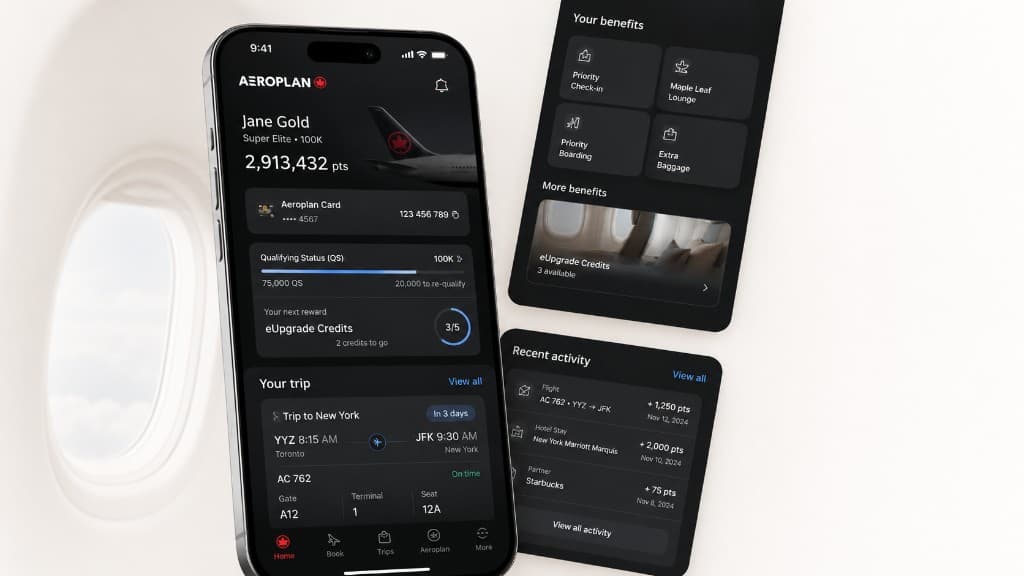
Aeroplan Co-Brand Cards & Digital Growth
Co-brand card growth across three issuers: one customer journey, many partner handoffs.
01
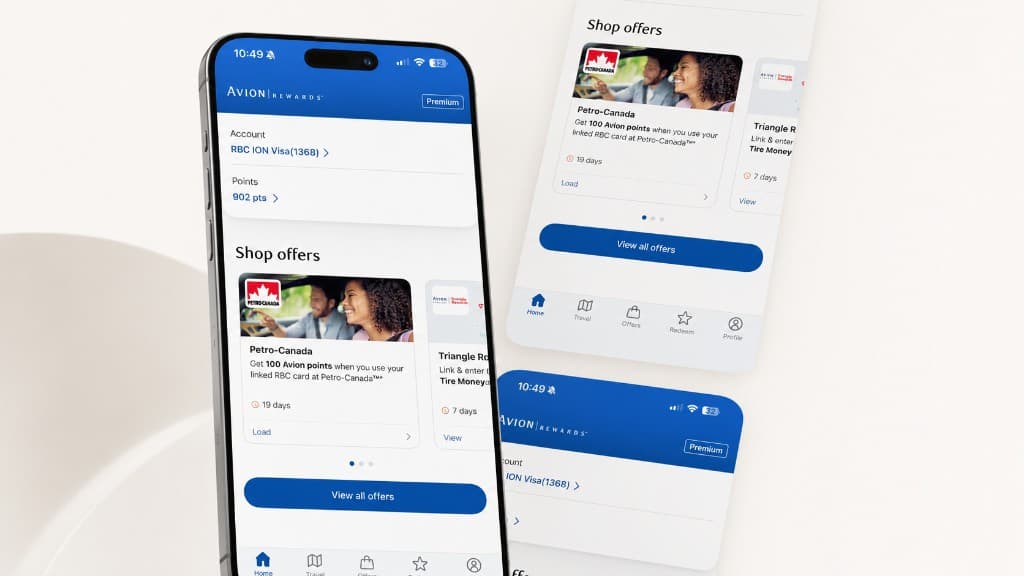
RBC Avion Rewards Platform & Payments
Opening Avion to non-bank members meant building money movement customers never had to think about.
02
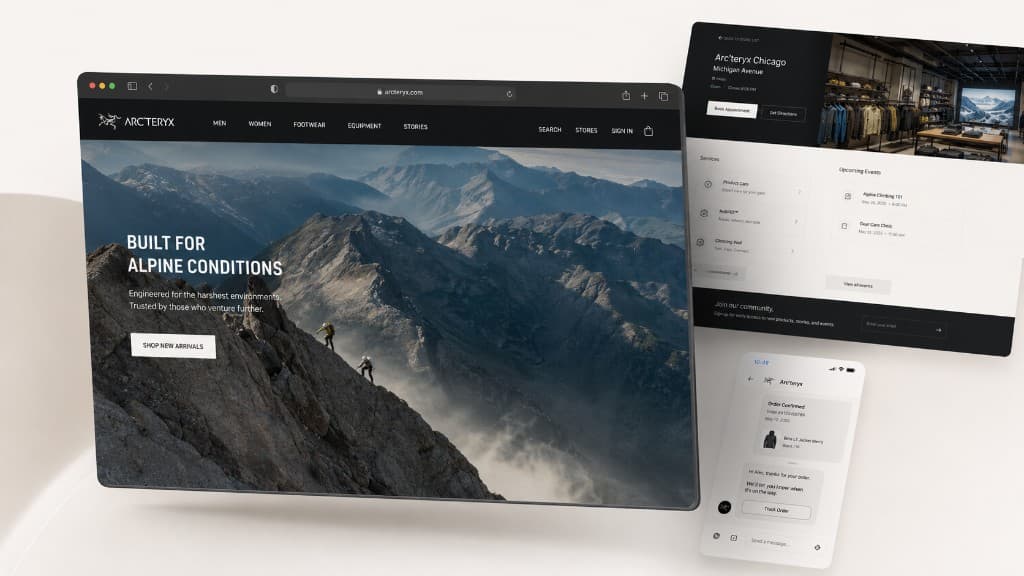
Arc'teryx Membership & Customer Engagement Platform
Connecting guest relationships across retail, digital, and service without defaulting to another points program.